
About thecarcarriage

Shipping a Car After Buying Online: What Every Carvana & Facebook Marketplace Buyer Needs to Know

You found the right car at the right price — now it’s 1,400 miles away. Here’s everything you need to know before you book a carrier.

Buying a car online used to be a novelty. Today it’s perfectly ordinary. Carvana sold over 400,000 vehicles in a single year. Facebook Marketplace has become the world’s largest private-party car classifieds. And platforms like CarGurus, AutoTrader, and even eBay Motors regularly connect buyers and sellers across state lines.

The result? Millions of people every year find themselves holding a bill of sale for a car that’s sitting in Phoenix, Detroit, or Tampa — and they need to figure out how to get it home.

If that’s you right now, this guide is for you. We’ll walk you through exactly how car shipping works after an online purchase, what to watch out for, and how to make sure your new vehicle arrives safely — without any nasty surprises.

Why Shipping Is Often Smarter Than Driving

The first instinct for a lot of buyers is to just fly out and drive the car home. It sounds straightforward — maybe even like an adventure. But once you factor in the true cost of a one-way flight, hotels, meals, fuel, and the wear you’re putting on a car you’ve never driven before, the math often flips in favor of shipping.

More importantly, driving an unfamiliar used vehicle 1,000+ miles is a gamble. If something goes wrong mechanically, you’re stranded far from home with repair bills and a logistical headache. With professional auto transport, your car rides on a carrier while you wait comfortably at home — and any pre-existing damage is documented before the car ever moves.

“The day we picked up our car in Dallas, it rained. We were so glad we didn’t drive it back to Chicago ourselves.”

How the Process Actually Works

Step 1 — Get a quote and book a carrier

Start by contacting a reputable auto transport company (like us). You’ll provide the pickup ZIP code, delivery ZIP code, vehicle make and model, and your preferred pickup window. Most companies will give you an instant quote online or over the phone. Prices vary based on distance, vehicle size, time of year, and whether you choose open or enclosed transport.

Step 2 — Coordinate pickup with the seller

This is where online buyers sometimes get tripped up. For Carvana purchases, the company has its own delivery network, but if you’re arranging third-party shipping, you’ll need to coordinate directly with the seller — whether that’s a dealership, a private individual, or a Carvana vending machine location. Make sure the seller knows the driver’s estimated arrival window and that someone will be available to release the vehicle.

Important for Facebook Marketplace buyers

Never pay a private seller the full purchase price until you’ve confirmed that a legitimate carrier has been dispatched. Scammers sometimes pose as “shipping brokers” and collect payment for transport that never happens. Always book transport independently through a verified company — and never wire money to someone you found in a comment thread.

Step 3 — The Bill of Lading

When the driver arrives to pick up your car, they’ll complete a Bill of Lading — a detailed inspection report that notes every existing scratch, dent, and blemish on the vehicle. This document is your legal protection. Review it carefully, take your own photos alongside the driver’s inspection, and keep your copy. At delivery, you’ll compare the car’s condition to this report. Any new damage that appeared in transit should be noted immediately — before you sign the delivery receipt.

Step 4 — Transit and tracking

Domestic auto transport typically takes 1 to 7 days depending on distance and route. Most carriers will provide a phone number to call for updates, and many now offer real-time tracking through a web portal or app. Your delivery window will be an estimated range — not an exact time — because drivers deal with traffic, weather, and multiple stops along their route.

Step 5 — Delivery and inspection

When the driver arrives at your delivery address, do a thorough walk-around before signing anything. Compare the car’s condition to the Bill of Lading. Check underneath, inside the wheel wells, and along the roofline — areas that are easy to miss in a driveway inspection. If you spot new damage, note it on the delivery receipt and photograph everything. Reputable carriers carry cargo insurance to cover transit damage, but you need documentation to file a claim.

Open vs. Enclosed Transport: Which Do You Need?


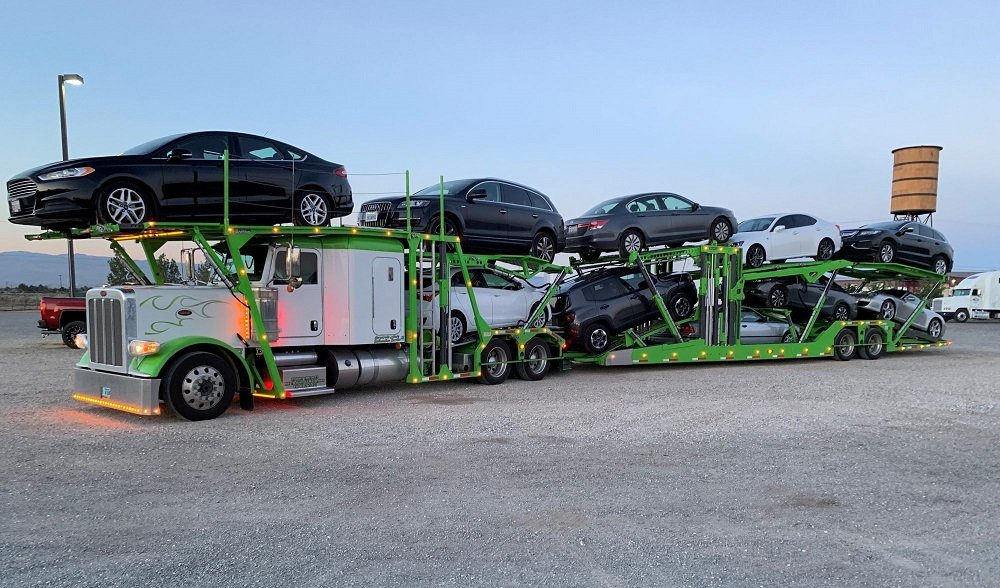
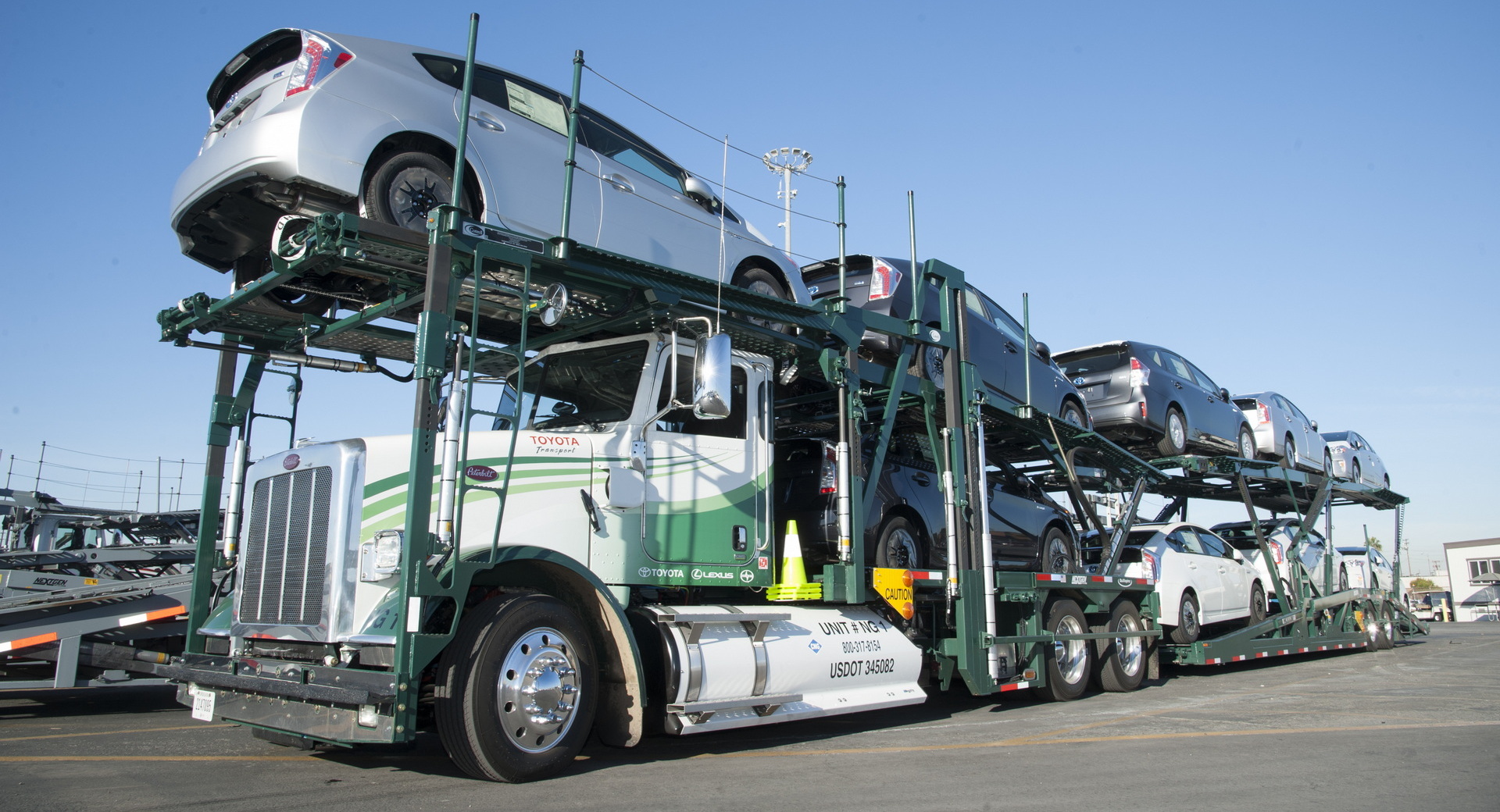
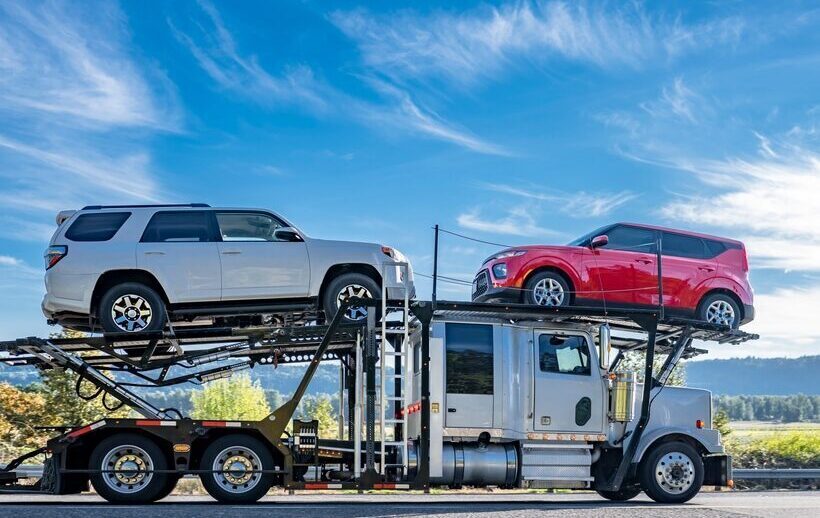
Open Transport – The most common and affordable option. Your car rides on a multi-vehicle open carrier — the same kind that delivers new cars to dealerships. Fine for most standard vehicles. Exposed to weather and road debris, but statistically safe for the vast majority of shipments.


Enclosed Transport – Your vehicle rides inside a fully enclosed trailer, protected from the elements and road grime. Recommended for luxury vehicles, classics, exotics, or any car with a specialty finish. Costs roughly 40–60% more than open transport, but worth it for high-value vehicles.

*For the typical Carvana or Marketplace purchase — a used sedan, SUV, or truck under $50,000 — open transport is almost always the right call. Reserve enclosed shipping for vehicles where the cosmetics are especially important or where the replacement value justifies the premium.

The Carvana-Specific Situation

Carvana has its own delivery program that ships directly to your driveway or to a nearby vending machine location. In many markets, this is free or very low cost, and for local or regional purchases it’s often the easiest path. However, Carvana’s delivery network doesn’t cover every ZIP code, delivery timelines can be longer than expected during peak periods, and some buyers simply prefer using a transport company they’ve researched themselves.

If you’re buying from Carvana but plan to use independent shipping — perhaps because the vehicle is at a location far outside Carvana’s free delivery range — make sure you understand Carvana’s title and registration process before you book transport. The car needs to be legally yours before a third-party carrier can take possession of it.

The Facebook Marketplace Buyer’s Checklist

Private-party purchases require a little more legwork before you can hand the car off to a carrier. Here’s what to have in place before booking transport:

  • Signed title (or signed title transfer documents) from the seller — a carrier cannot legally transport a vehicle without proof of ownership transfer.
  • A confirmed pickup address and point of contact. The driver needs a real person available to release the car.
  • The vehicle must be in drivable condition unless you’ve explicitly booked an inoperable vehicle rate (which costs more and requires special equipment).
  • Remove personal items from the car. Carriers are not responsible for personal belongings left inside, and some policies prohibit transport of vehicles loaded with household goods.
  • The gas tank should be no more than a quarter full — a safety requirement for most carriers.
  • Disable any aftermarket alarms that could trigger during transport.

What Does Car Shipping Actually Cost?

Pricing depends on four main variables: distance, vehicle size, transport type (open vs. enclosed), and timing. As a rough guide, shipping a standard sedan from the East Coast to the West Coast will typically run $900–$1,400 on an open carrier. Regional shipments of 500 miles or less often come in under $700. Larger vehicles like full-size trucks and SUVs cost more.

One thing to be aware of: the auto transport industry uses a broker-carrier model. Most companies you interact with online are brokers who connect your shipment to an available carrier on the Central Dispatch network. This is normal and not inherently a problem — but it means the company you book with may not be the company whose driver shows up. Ask your broker which carrier they’ve assigned, and don’t hesitate to look up that carrier’s DOT number and safety record on the FMCSA website.

Pro tip on timing

If your schedule is flexible, avoid booking transport during peak summer months (June–August) and during the snowbird migration period (October–November and March–April). Demand spikes during these windows drive prices up and availability down. A flexible pickup window of 5–7 days will also get you a better rate than demanding next-day pickup.

Insurance: What’s Actually Covered?

All licensed auto carriers are required by federal law to carry cargo insurance. However, the coverage limits and deductibles vary significantly. Before you book, ask your transport company directly: what is the cargo insurance limit, and what is the deductible? Some carriers carry policies with $100,000+ limits; others carry the minimum.

Your personal auto insurance policy may also provide some coverage during transport — check with your insurer before shipping. If the vehicle is brand-new or particularly valuable, consider a separate transit insurance rider. The peace of mind is worth the modest additional cost.

Red Flags to Watch Out For

The auto transport industry, like any industry, has its share of unreliable operators. Here are warning signs to avoid:

  • Quotes that are dramatically lower than competitors — they’re often bait-and-switch tactics designed to lock you in before raising the price.
  • Companies that demand full payment upfront before your vehicle has been picked up.
  • No verifiable DOT or MC number — every legitimate carrier must be registered with the FMCSA.
  • No physical address or a P.O. box only — a sign of a fly-by-night operation.
  • Pressure to “book right now” before they can hold the price — legitimate companies don’t use high-pressure sales tactics.

The Bottom Line

Buying a car online has never been easier. Getting it home safely has never been more accessible either — but only if you approach the shipping process with the same diligence you brought to finding the right vehicle in the first place. Document everything, work with verified carriers, understand your insurance coverage, and don’t let the excitement of a great deal make you skip the important steps.

At The Car Carriage, we’ve helped thousands of online car buyers navigate exactly this process. Whether you’ve just clicked “buy” on Carvana or shaken hands on a deal over Facebook Messenger, we’re here to make the last mile — or the last thousand miles — as smooth as possible. Call us today at 855-723-3200.

Why Your Car Shipping Quote Changed: Transparency on Pricing Factors

You received a quote for shipping your car two weeks ago. The price seemed reasonable, so you waited a bit before booking. Now you’re ready to move forward, but the new quote is $150 higher. What happened?

At The Car Carriage, we believe in complete transparency. Car shipping isn’t like buying a television with a fixed price tag. It’s a dynamic service influenced by real-time market conditions, much like airline tickets or hotel rooms. Let’s pull back the curtain and explain exactly why quotes fluctuate—and what you can do about it.

Understanding the Auto Transport Marketplace

First, it’s important to understand how most car shipping works. When you request a quote, you’re entering a marketplace where carriers bid on jobs. Your vehicle isn’t being shipped by just one company with standardized pricing—it’s being offered to multiple independent carriers who evaluate whether your route, vehicle, and timing work for their schedule.

This marketplace dynamic means prices respond to supply and demand in real-time. Here are the key factors that influence what you’ll pay.

Route Popularity: The Geography of Supply and Demand

Not all routes are created equal. Shipping a car from Los Angeles to New York? That’s a high-demand route with plenty of carriers running it regularly. You’ll typically get competitive pricing and quick pickup. Shipping from Boise, Idaho to Charleston, South Carolina? That’s a less common route that requires a carrier to potentially deviate from their usual path.

Why this affects pricing:

When carriers operate on popular routes, they can load their truck full of vehicles all going in roughly the same direction. Their per-vehicle cost is lower because they’re maximizing efficiency. Less common routes mean the carrier might only pick up one or two vehicles for that specific destination, leaving empty spaces on the truck—but still paying for fuel, time, and labor.

Remote pickups or deliveries also factor in. If you’re 50 miles from a major highway, the carrier needs to account for the extra time and fuel to reach you. That’s why quotes for rural areas often run higher than metropolitan shipping.

What you can do: If you have flexibility, consider shipping to or from a nearby major city. Meeting the carrier at a terminal or convenient location along a main route can sometimes reduce costs.

Fuel Costs: The Unavoidable Variable

Fuel is the single largest operating expense for auto transport carriers. A typical car hauler gets 4-6 miles per gallon when fully loaded. When diesel prices spike, those costs get passed along to customers almost immediately.

Unlike some industries where fuel is a minor cost factor, auto transport operates on relatively thin margins. A 20% increase in fuel prices can easily translate to a 10-15% increase in your shipping quote.

The timing factor: Fuel prices fluctuate weekly, sometimes daily. If you got a quote when diesel was $3.50 per gallon and prices jumped to $4.20 by the time you’re ready to book, expect your quote to reflect that change. Carriers adjust their rates continuously based on current fuel costs.

What you can do: While you can’t control fuel prices, you can lock in your rate by booking sooner rather than later. Most reputable companies will honor a quote for a limited time (typically 7-14 days), which protects you if fuel prices spike during that window.

Seasonal Demand: When Everyone Wants to Ship

Auto transport experiences dramatic seasonal swings. Understanding these patterns can save you hundreds of dollars.

Peak Season (May-September): Summer is the busiest time for car shipping. Families relocate, students move for college, snowbirds return north, and the weather is ideal for transport. High demand means higher prices—sometimes 20-30% above winter rates.

Shoulder Seasons (March-April, October-November): Moderate demand with more reasonable pricing. These can be sweet spots for shipping.

Winter (December-February): Lower demand generally means better prices, but northern routes can face weather delays. Snow Belt to Sun Belt routes (like Minnesota to Arizona) actually see increased demand as snowbirds head south.

Holiday windows create their own dynamics. The weeks before Christmas and around Thanksgiving see reduced carrier availability as drivers take time off, which can drive prices up despite fewer customers shipping.

What you can do: If your timeline is flexible, avoid peak summer months. Shipping in early fall or late winter often yields the best combination of price and reliability. If you must ship during peak season, book as far in advance as possible.

Vehicle Size and Weight: The Space You Take

A compact sedan and a full-size pickup truck don’t cost the same to ship, even over the same route. Here’s why.

Deck space is limited: A standard car hauler can fit 7-10 vehicles, but that depends entirely on the size of each vehicle. A carrier can fit three sedans in the space that two large SUVs occupy. If your vehicle is oversized, you’re essentially taking up the space (and revenue) of multiple smaller vehicles.

Weight matters: Heavier vehicles mean more fuel consumption. A loaded truck has weight limits to comply with DOT regulations. A 7,000-pound SUV versus a 3,000-pound sedan makes a real difference in fuel efficiency and legal carrying capacity.

Height and modifications: Lifted trucks, vehicles with roof racks, or cars with low ground clearance may require special positioning on the carrier or even specialized equipment. This limits which carriers can take the job.

What you can do: Remove roof racks, bike racks, or any removable accessories before shipping. This can sometimes move your vehicle into a lower pricing tier. Be accurate about your vehicle’s specifications when requesting quotes—surprises at pickup time can result in price increases or even the carrier refusing to load your vehicle.

Distance: It’s Not Always Linear

You might assume that shipping 2,000 miles costs exactly twice as much as shipping 1,000 miles. It doesn’t work that way.

The first few hundred miles are proportionally more expensive because they include the fixed costs of pickup, loading, and administrative work. Once a vehicle is on the truck and the carrier is en route, the per-mile cost decreases.

Example: Shipping 500 miles might cost $600 ($1.20/mile), while shipping 1,500 miles might cost $1,200 ($0.80/mile). The longer distance has a lower per-mile rate because the fixed costs are spread across more miles.

Timing and Urgency: The Speed Premium

When do you need your car shipped? “As soon as possible” costs more than “within the next two weeks.”

Expedited shipping requires carriers to prioritize your vehicle, potentially rearranging their route or leaving empty spaces on their truck to accommodate your timeline. That convenience costs extra—often 25-40% more than standard service.

Flexible dates give carriers room to optimize their routes and fill their trucks completely. This efficiency translates to lower prices for you.

What you can do: Provide as wide a pickup window as you can. If you can offer a 5-7 day pickup window instead of demanding a specific date, you’ll get better pricing.

Market Capacity: The Carrier Availability Factor

Sometimes prices increase simply because there aren’t enough carriers available. This happens when:

  • Bad weather reduces the number of trucks on the road
  • Peak season demand outstrips carrier capacity
  • Fuel shortages or regulations sideline some carriers temporarily
  • Economic factors cause some carriers to exit the business

When capacity is tight, prices rise. It’s basic economics—when demand exceeds supply, the market adjusts through pricing.

The Initial Quote Puzzle: Why Was It Lower?

Here’s an uncomfortable truth about the industry: some companies use artificially low initial quotes to capture your business, knowing they’ll need to increase the price later. This is called “lowballing,” and it’s unfortunately common with less reputable brokers.

At The Car Carriage, we provide realistic quotes based on current market conditions. Our goal isn’t to win your business with an unrealistically low number—it’s to set accurate expectations and deliver on our promises.

Red flags for lowball quotes:

  • The price seems too good to be true compared to other quotes
  • The company requires a large deposit before finding a carrier
  • They’re vague about when they’ll assign a carrier
  • They can’t explain their pricing clearly

How to Get Stable, Accurate Quotes

Here’s how to navigate the quote process effectively:

1. Provide complete, accurate information: Be specific about your vehicle make, model, modifications, and whether it runs. Include exact pickup and delivery locations, including zip codes.

2. Request quotes from multiple companies: Three to five quotes give you a realistic market range. If one is dramatically lower, be skeptical.

3. Ask about the quote validity period: How long is the price guaranteed? Most reputable companies honor quotes for 7-14 days.

4. Understand what’s included: Does the quote include insurance? Door-to-door service? Any additional fees?

5. Book promptly: Once you have a fair quote and you’re ready to move forward, don’t wait weeks. Market conditions change, and your quote may not be honored indefinitely.

6. Be wary of deposits: Legitimate companies typically charge a small deposit ($100-$200) to secure your booking, with the balance due on delivery. Avoid companies demanding large upfront payments.

What to Do When Your Quote Increases

If you received a quote and the price has gone up when you’re ready to book, here’s how to handle it:

Ask for an explanation: A reputable company should be able to clearly explain what changed—fuel costs, seasonal demand, route availability, etc.

Verify the market: Get fresh quotes from two or three other companies. If everyone’s prices have increased similarly, it’s likely a legitimate market shift.

Negotiate timing: If the price increase is due to immediate pickup needs, see if you can extend your window for a better rate.

Lock it in: If the new quote is fair based on current conditions, book it. Waiting another week likely won’t result in a better price.

The Bottom Line

Car shipping prices change because the market changes. Fuel costs fluctuate, seasonal demand shifts, carrier availability varies, and your specific route and vehicle create unique pricing factors.

At The Car Carriage, we’re committed to transparency. We’d rather educate you about why prices work the way they do than make empty promises about unrealistic rates. When you understand the factors at play, you can make informed decisions and plan your car shipping with realistic expectations.

The best approach? Get quotes when you know you’re ready to ship, compare reputable companies, and book promptly when you find a fair price. Your car shipping experience will be smoother, more predictable, and ultimately more satisfying.


Ready for a transparent, honest quote? Call 855-723-3200 today. We’ll explain exactly what you’ll pay, why, and when your vehicle will arrive—with no surprises.

How Dallas’s Booming Economy Affects Car Shipping Costs and Availability

Dallas-Fort Worth has transformed into one of America’s most dynamic economic powerhouses, and this explosive growth is reshaping the auto transport landscape in ways that directly impact both consumers and businesses. As someone in the car shipping industry, we’ve witnessed firsthand how the Metroplex’s economic boom creates a complex ripple effect on vehicle transportation costs and carrier availability.

The Dallas Economic Engine

The numbers tell a compelling story. Over the past decade, Dallas has attracted major corporate relocations from companies like Toyota, Liberty Mutual, and Charles Schwab, bringing thousands of employees who need their vehicles transported. The region’s population has swelled by over a million residents since 2010, creating unprecedented demand for auto transport services. When this many people are moving to one metropolitan area, the logistics of getting their cars there becomes a significant challenge.

This influx hasn’t just increased demand—it’s fundamentally altered the supply-demand dynamics that determine shipping costs. During peak moving seasons, particularly summer months when corporate relocations cluster, we see carrier availability tighten significantly along routes into Dallas. What was once a straightforward transport route can become a premium corridor when everyone wants to ship at the same time.

The Imbalance Problem

One of the most significant factors affecting car shipping costs to and from Dallas is route imbalance. While thousands of vehicles need to be shipped into the Metroplex monthly, there aren’t always equivalent volumes heading out. This creates what industry insiders call “deadhead” scenarios, where carriers may need to return empty or partially loaded.

When carriers transport vehicles into Dallas but struggle to find return loads, they naturally build that inefficiency into their pricing. Shipping a car from Los Angeles to Dallas might cost less than the reverse journey, even though the distance is identical. The booming economy means more people are coming than going, which paradoxically makes it more expensive to ship vehicles out of the area.

Infrastructure Strain and Urban Congestion

Dallas’s rapid growth has put tremendous pressure on its infrastructure. The constant construction projects along I-35, I-45, and the LBJ Freeway don’t just frustrate daily commuters—they directly impact auto transport operations. Carriers factor in additional time and fuel costs when navigating through perpetual construction zones, and these costs get passed along to consumers.

The expansion of the Metroplex has also pushed residential and commercial development further into surrounding areas. What used to be quick pickups and deliveries in suburban Plano or Frisco now involve navigating increasingly congested surface streets. Time is money in the transport business, and when each pickup takes longer, those minutes add up across a carrier’s entire route.

The Advantage of Being a Hub

It’s not all challenging news, though. Dallas’s position as a central hub actually provides some advantages. The city’s location in the heart of the country makes it a natural waypoint for cross-country routes. A carrier moving vehicles from Florida to Arizona often routes through Texas anyway, creating opportunities for more competitive pricing on certain corridors.

The concentration of dealerships and auto auctions in the Dallas area has also attracted more carriers to regularly service the region. Major auction houses in the Metroplex move thousands of vehicles weekly, ensuring a steady stream of transport capacity. This regular carrier presence can help stabilize costs, particularly for customers with flexible timing.

Seasonal Fluctuations Amplified

Economic growth has amplified seasonal variations in car shipping costs. During corporate fiscal year transitions—typically December through January and June through July—we see dramatic spikes in demand as companies complete planned relocations. The robust Dallas economy means more companies are actively relocating employees, intensifying these seasonal peaks.

Winter weather in northern states also drives additional demand, as retirees and snowbirds head to Texas’s warmer climate. Dallas’s growing reputation as a retirement-friendly city with no state income tax has increased this snowbird traffic, creating tighter capacity during winter months on routes from states like Illinois, Michigan, and New York.

The Luxury and Electric Vehicle Factor

Dallas’s affluent economy has led to higher concentrations of luxury and electric vehicles, which require specialized transport. Enclosed transport carriers, necessary for high-value vehicles, are less common and more expensive. As Dallas’s wealth has grown, so has demand for these premium services, sometimes outstripping local carrier capacity.

The rise of electric vehicles presents unique challenges too. EVs require careful battery management during transport, and not all carriers are equipped with the knowledge or equipment to handle them properly. Dallas’s tech-savvy, environmentally conscious professional class has embraced EVs enthusiastically, creating niche demand that affects availability.

Looking Ahead: What It Means for Consumers

For anyone planning to ship a vehicle to or from Dallas, understanding these economic factors can help you make smarter decisions. Booking early—ideally three to four weeks in advance—becomes even more critical in a high-demand market like Dallas. Flexibility with your pickup and delivery dates can unlock significant savings, as carriers can route your vehicle more efficiently when they have scheduling flexibility.

It’s also worth considering the time of year. If possible, avoiding peak moving seasons and major corporate relocation periods can result in better availability and lower costs. Similarly, being flexible about terminal-to-terminal versus door-to-door delivery can sometimes reduce costs in congested urban areas.

The Bottom Line

Dallas’s economic success story is, in many ways, a victim of its own success when it comes to auto transport. The same factors that make the Metroplex an attractive place to live and do business—job growth, corporate relocations, population expansion—create challenges for vehicle logistics. Higher demand, infrastructure strain, and route imbalances all contribute to increased costs and reduced availability during peak periods.

However, understanding these dynamics empowers consumers to make informed decisions. By planning ahead, maintaining flexibility, and working with experienced auto transport companies that understand the Dallas market’s unique characteristics, you can navigate these challenges successfully. The key is recognizing that in a booming economy like Dallas’s, your vehicle isn’t just cargo—it’s part of a massive logistics equation shaped by one of America’s most dynamic metropolitan areas.

As Dallas continues its impressive growth trajectory, we expect these trends to persist and possibly intensify. The Metroplex’s economic vitality ensures that auto transport will remain a critical service with evolving challenges and opportunities. For those of us in the industry, staying ahead of these trends isn’t just good business—it’s essential to serving our customers effectively in one of the nation’s fastest-growing markets.

Dallas Car Shipping: Open vs Enclosed Transport – Which Should You Choose


If you’re shipping a vehicle to or from Dallas, one of the most important decisions you’ll face is choosing between open and enclosed transport. Both methods have their advantages, and the right choice depends on your specific needs, budget, and the type of vehicle you’re shipping. Let’s break down the key differences to help you make an informed decision.

Understanding Open Transport

Open transport is the most common method of car shipping in the Dallas area and across the country. Your vehicle is loaded onto an open-air carrier—the same type of truck you see hauling cars on highways every day. These carriers typically transport 7-10 vehicles at once.

Advantages of Open Transport

Cost-Effective: Open transport is significantly more affordable than enclosed options, typically costing 30-40% less. For many Dallas residents shipping standard vehicles, this price difference makes open transport the practical choice.

Wide Availability: Because open carriers are more common, you’ll find greater flexibility in scheduling. This is particularly beneficial in a major metropolitan area like Dallas, where shipping volume is high and carriers frequently run routes.

Reliable and Safe: Despite being exposed to the elements, open transport has an excellent safety record. Professional carriers secure vehicles properly, and insurance coverage protects your investment during transit.

Drawbacks of Open Transport

Your vehicle will be exposed to weather conditions, road debris, and dust during transport. While serious damage is rare, minor issues like dirt accumulation or small rock chips can occur. For most daily-driver vehicles, this is an acceptable trade-off given the cost savings.

Understanding Enclosed Transport

Enclosed transport means your vehicle rides in a fully covered trailer, protected from external elements. These carriers typically hold fewer vehicles—usually 2-6 cars—and offer premium protection.

Advantages of Enclosed Transport

Maximum Protection: Your vehicle is shielded from weather, road debris, dust, and prying eyes. This is crucial for high-value vehicles, classics, or cars with custom paint jobs.

Climate Control Options: Some enclosed carriers offer climate-controlled environments, which can be important for vintage cars or vehicles with sensitive components, especially during Dallas’s hot summers.

Peace of Mind: If you’re shipping a vehicle with significant monetary or sentimental value, the extra protection provides invaluable peace of mind.

Drawbacks of Enclosed Transport

Higher Cost: The premium protection comes with a premium price tag. Enclosed transport typically costs 40-60% more than open transport.

Limited Availability: Fewer carriers offer enclosed transport, which can mean longer wait times for pickup and delivery, particularly during peak seasons.

Which Should You Choose?

Choose Open Transport If:

  • You’re shipping a standard daily-driver vehicle
  • Budget is a primary concern
  • You need flexible scheduling and faster pickup times
  • Your vehicle is used and already has normal wear and tear
  • You’re shipping to or from Dallas during mild weather conditions

Choose Enclosed Transport If:

  • You own a luxury, exotic, or classic vehicle
  • Your car has a custom paint job or modifications
  • You’re shipping a vehicle worth over $100,000
  • The car has significant sentimental value
  • You’re transporting a show car or collector’s item
  • You want absolute peace of mind regardless of cost

Dallas-Specific Considerations

Dallas’s climate and location present unique considerations. Our hot, dry summers mean open transport vehicles may accumulate more dust, while occasional severe weather—including hailstorms—can pose risks. However, professional carriers monitor weather conditions and plan routes accordingly.

Dallas’s position as a major transportation hub means both open and enclosed carriers service the area frequently, giving you good options either way. The extensive highway network (I-35, I-45, I-20, and I-30) makes Dallas a convenient shipping point for routes across the country.

Making Your Final Decision

At The Car Carriage, we recommend assessing three key factors: your vehicle’s value, your budget, and your peace of mind. For most standard vehicles, open transport offers excellent value and reliability. However, if you’re shipping something special, the extra investment in enclosed transport is often worth it.

Remember, reputable carriers provide insurance coverage regardless of the transport method you choose. Always verify insurance details, read reviews, and work with licensed, experienced transporters.

Whether you choose open or enclosed transport, the most important decision is selecting a trusted car shipping company that understands Dallas’s unique logistics and treats your vehicle with the care it deserves.

The Real Cost of “Cheap” Car Shipping: Hidden Fees That Can Double Your Bill


Last month, Sarah from Denver called us in frustration. She’d booked what seemed like an incredible deal for shipping her Honda Accord to Florida—just $800 when other quotes ranged from $1,200 to $1,400. By the time her car arrived, she’d paid over $1,600 in “unexpected” fees. Sound familiar? You’re not alone.

After fifteen years in the auto transport industry, we’ve seen every trick in the book. Today, we’re pulling back the curtain on the hidden fee game that some carriers play, so you can ship your vehicle with confidence and avoid costly surprises.

Why Hidden Fees Exist (And Why We Don’t Use Them)

Some companies use hidden fees as a business model. They hook customers with unrealistically low quotes, knowing they’ll make their real profit from add-on charges. It’s a frustrating bait-and-switch that leaves customers feeling deceived and financially strained.

At The Car Carriage, we believe in straightforward pricing. Yes, our initial quotes might be higher than some competitors, but what you see is what you pay. No games, no surprises, no last-minute shakedowns.

The Hidden Fee Hall of Shame: What to Watch For

The “Inspection Fee” Scam

What it looks like: After pickup, you’re told your vehicle needs an “inspection” that reveals issues requiring additional fees.

The reality: Legitimate inspections happen before transport and are included in service. Post-pickup “discoveries” are often manufactured reasons to charge more.

Real example: Mike’s 2019 Camry was deemed “inoperable” because the battery was slightly low, triggering a $250 fee for “special handling equipment.”

Destination Terminal Surprises

What it looks like: You booked door-to-door service but suddenly must pick up your car at a distant terminal.

The reality: True door-to-door service reaches your actual address, not the closest terminal the carrier wants to use.

Hidden costs: Terminal fees ($75-150), storage fees if you can’t pick up immediately ($25-50 per day), plus your time and gas to retrieve your vehicle.

The Moving Insurance Maze

What it looks like: Basic coverage is included, but you “need” additional protection for hundreds more.

The reality: All licensed carriers have insurance. While supplemental coverage exists, high-pressure sales tactics for expensive upgrades are red flags.

Pro tip: Ask for their DOT number and insurance details upfront. Legitimate carriers provide this information without hesitation.

Fuel Price Fluctuation Fees

What it looks like: A surcharge added weeks after booking because “fuel costs have increased.”

The reality: Professional carriers factor fuel costs into their quotes and honor their agreements regardless of market fluctuations.

The catch: These fees often appear regardless of actual fuel price changes and can add $200-400 to your bill.

Size and Weight Penalties

What it looks like: Your SUV or pickup truck triggers an “oversized vehicle” fee you weren’t told about.

The reality: Vehicle dimensions and weight are known from the start. Honest companies factor this into initial quotes.

Warning signs: Quotes that don’t ask about your specific vehicle make and model are likely setting you up for size-related surprises.

The Psychology Behind Hidden Fees

Understanding why these fees work helps you avoid falling victim. Companies using this model rely on:

  • Commitment escalation: Once you’ve scheduled and arranged transport, you’re invested in completing the process, even with added costs.
  • Time pressure: “Your car is already loaded” or “The driver is waiting” creates urgency to pay unexpected fees.
  • Complexity confusion: Overwhelming customers with technical language and multiple fee categories makes it harder to question charges.

Red Flags That Signal Hidden Fee Trouble

Quote Characteristics

  • Significantly lower than competitor averages
  • Vague language like “base rate” or “starting at”
  • No mention of what happens if complications arise
  • Reluctance to provide written estimates

Company Behavior

  • High-pressure tactics to book immediately
  • Requesting full payment upfront
  • Avoiding specific questions about their process
  • No clear contact information or DOT registration

Contract Warning Signs

  • Extensive fine print about “additional circumstances”
  • Clauses allowing unlimited fee additions
  • No price ceiling or maximum cost protection
  • Signature required before receiving complete terms

How We Do Things Differently at The Car Carriage

Comprehensive Initial Quotes

Our estimates include all standard services: pickup, transport, delivery, insurance, and handling. We ask detailed questions about your vehicle and situation to provide accurate pricing from the start.

Clear Communication

We explain our process, timeline, and what’s included. If any unusual circumstances could affect pricing, we discuss them upfront—not after your car is already loaded.

Written Guarantees

Our contracts clearly state what you’ll pay and under what limited circumstances additional fees might apply. We cap these potential additions and require your approval before proceeding.

Insurance Transparency

We provide complete details about our coverage and help you understand what protection you have. We never use scare tactics to sell unnecessary upgrades.

Protecting Yourself: A Step-by-Step Guide

Before Getting Quotes

  1. Research each company’s DOT registration and safety ratings
  2. Read recent customer reviews focusing on pricing complaints
  3. Prepare detailed vehicle information (make, model, year, modifications)

During the Quote Process

  1. Ask for written estimates including all fees
  2. Inquire about specific scenarios: non-running vehicles, access issues, weather delays
  3. Request contact information for the actual transport company (not just a broker)

Before Signing

  1. Read contracts completely, especially sections about additional fees
  2. Confirm pickup and delivery addresses are accessible to car carriers
  3. Understand the payment schedule and what happens if you’re unsatisfied

During Transport

  1. Maintain communication with your carrier
  2. Document your vehicle’s condition at pickup and delivery
  3. Don’t pay final fees until you’ve inspected your vehicle

The True Cost of Hidden Fees

Beyond the financial impact, hidden fees create stress, erode trust, and can leave you stranded if you can’t pay unexpected charges. Some customers have had their vehicles held hostage until additional fees are paid—a traumatic experience when you’re already dealing with a move or other life changes.

Making the Right Choice

When comparing car shipping quotes, remember that the lowest initial price rarely represents the best value. Focus on companies with:

  • Transparent pricing with detailed breakdowns
  • Strong customer reviews mentioning fair pricing
  • Clear contracts with limited fee additions
  • Professional communication and DOT compliance

At The Car Carriage, we’ve built our reputation on honest dealing and transparent pricing. While our quotes might not always be the lowest you receive, they represent the actual cost of professional, reliable vehicle transport. No surprises, no games, no hidden fees.

Your peace of mind is worth the difference between a legitimate quote and a low-ball estimate designed to trap you with hidden charges. When you’re ready to ship your vehicle with a company you can trust, we’re here to help.


Ready for transparent car shipping? Call 855-723-3200 for an honest quote with no hidden surprises. Our experienced team is standing by to answer your questions and provide the reliable service your vehicle deserves.

Why the Cheapest Auto Transport Quote Isn’t Always the Best Deal

Why the Cheapest Auto Transport Quote Isn’t Always the Best Deal

By The Car Carriage Team

When it comes to shipping your vehicle, it’s natural to want the best price possible. After all, who doesn’t love saving money? However, when you’re entrusting someone with your prized possession—whether it’s a daily driver, classic car, or luxury vehicle—the cheapest quote might end up costing you far more than you bargained for.

At The Car Carriage, we’ve seen too many customers learn this lesson the hard way. Here’s why you should look beyond the bottom line when choosing an auto transport company.

The Hidden Costs of “Bargain” Transport

Insurance Coverage Gaps

Low-cost carriers often cut corners on insurance coverage. While they may meet the federal minimum requirements, these policies frequently come with high deductibles and limited coverage for personal items left in your vehicle. When damage occurs, you might find yourself paying out of pocket for repairs that a properly insured carrier would have covered completely.

Unreliable Scheduling and Delays

Cheap transport companies often overbook their services or operate with unrealistic timelines to keep prices low. This leads to:

  • Last-minute cancellations
  • Extended delays that can disrupt your moving or travel plans
  • Poor communication about pickup and delivery times
  • Rushed loading and unloading that increases damage risk

Subpar Equipment and Maintenance

To maintain rock-bottom prices, some carriers defer maintenance on their trucks and trailers. This can result in:

  • Breakdowns during transport, leaving your car stranded
  • Older, less secure tie-down systems that may damage your vehicle
  • Open trailers when enclosed transport would be safer for your specific vehicle

What You’re Really Paying for with Quality Service

Comprehensive Insurance Protection

Reputable auto transport companies carry robust insurance policies that protect your vehicle from loading to delivery. This includes coverage for:

  • Collision and comprehensive damage
  • Theft protection
  • Coverage for high-value and classic vehicles
  • Protection for personal items (within reason)

Professional Handling and Equipment

Quality carriers invest in:

  • Well-maintained, modern transport equipment
  • Proper tie-down systems that won’t scratch or damage your vehicle
  • Enclosed trailers for luxury, classic, or weather-sensitive vehicles
  • Professional drivers with clean driving records and proper training

Reliable Communication and Service

When you choose a reputable company, you get:

  • Clear, upfront pricing with no hidden fees
  • Regular updates on pickup and delivery status
  • Responsive customer service
  • Guaranteed pickup and delivery windows

Red Flags to Watch for in Quotes

Prices That Seem Too Good to Be True

If a quote is significantly lower than others you’ve received, ask yourself why. Legitimate businesses have similar operating costs, so drastically different pricing often indicates corner-cutting somewhere.

Large Deposits Required Upfront

Be wary of companies demanding large deposits before pickup. Reputable carriers typically require minimal upfront payment, with the balance due upon delivery.

Door-to-Door Promises at Rock-Bottom Prices

True door-to-door service requires smaller trucks that can navigate residential streets safely. If a company promises door-to-door delivery at an extremely low price, they may be planning to use large carriers that can’t actually reach your door.

No DOT Number or Proper Licensing

Always verify that your transport company has proper USDOT registration and relevant state licensing. Unlicensed carriers offer no recourse if something goes wrong.

How to Evaluate Auto Transport Quotes Properly

Compare Total Value, Not Just Price

Consider:

  • Insurance coverage limits and deductibles
  • Guaranteed vs. estimated delivery dates
  • Type of trailer (open vs. enclosed)
  • Company reputation and reviews
  • Customer service quality

Ask the Right Questions

When getting quotes, inquire about:

  • Exact insurance coverage details
  • What happens if there are delays
  • The age and condition of their equipment
  • Driver qualifications and training
  • Their policy on inspections and damage claims

Research the Company Thoroughly

Check:

  • Better Business Bureau ratings
  • Online reviews on multiple platforms
  • FMCSA safety ratings
  • How long they’ve been in business
  • References from recent customers

The True Cost of Choosing Wrong

We’ve seen customers who chose the cheapest quote end up paying more in the long run due to:

  • Damage repairs not covered by inadequate insurance
  • Hotel and rental car costs due to delivery delays
  • Lost wages from missed work or appointments
  • Stress and frustration from poor service

Making the Smart Choice

The best auto transport deal isn’t always the cheapest—it’s the one that offers the best value for your specific needs. Consider factors like:

  • Vehicle type: Luxury and classic cars need enclosed transport and specialized handling
  • Distance and route: Longer trips require more reliable carriers
  • Timeline: Flexible schedules can reduce costs without sacrificing quality
  • Peace of mind: Sometimes paying a bit more for proven reliability is worth it

Our Commitment at The Car Carriage

At The Car Carriage, we believe in transparent pricing that reflects the true value of professional auto transport service. Our quotes include comprehensive insurance, reliable scheduling, modern equipment, and the peace of mind that comes with working with licensed, experienced professionals.

We’d rather earn your business with honest pricing and exceptional service than win it with a low-ball quote that we can’t deliver on. Because at the end of the day, your vehicle’s safe arrival is worth far more than the few dollars you might save with a bargain carrier.

When you’re ready to ship your vehicle, don’t just compare prices—compare value. Your car, and your peace of mind, deserve nothing less.

Ready to get a fair, honest quote for your auto transport needs? Call 855-723-3200 today for transparent pricing and professional service you can trust.

Understanding Auto Transport Brokers vs Direct Carriers: Making the Right Choice for Your Vehicle

Understanding Auto Transport Brokers vs Direct Carriers: Making the Right Choice for Your Vehicle

When it comes to shipping your vehicle across the country, you’ll quickly discover that the auto transport industry operates through two primary business models: brokers and direct carriers. Understanding the fundamental differences between these approaches is crucial for making an informed decision that aligns with your specific needs, budget, and timeline.

What Are Auto Transport Brokers?

Auto transport brokers serve as intermediaries in the vehicle shipping process. They don’t own trucks or employ drivers directly. Instead, they maintain extensive networks of licensed carriers and act as matchmakers between customers and transportation companies. When you hire a broker, they handle the logistics of finding an available carrier, negotiating rates, and coordinating the pickup and delivery of your vehicle.

Think of brokers as the travel agents of the auto transport world. Just as a travel agent has access to multiple airlines and can help you find the best flight options, auto transport brokers have relationships with numerous carriers and can shop around for the most suitable match for your specific shipment.

What Are Direct Carriers?

Direct carriers, on the other hand, are transportation companies that own their own fleet of trucks and employ their own drivers. When you work with a direct carrier, you’re dealing directly with the company that will physically transport your vehicle. There’s no middleman involved in the transaction or communication process.

Direct carriers typically specialize in specific routes or regions where they have established operations. They may focus on particular types of vehicles, such as luxury cars, motorcycles, or commercial vehicles, allowing them to develop specialized expertise and equipment.

The Broker Advantage: Network and Convenience

One of the most significant advantages of working with a reputable auto transport broker is their extensive network. Established brokers have relationships with hundreds or even thousands of carriers across the country. This vast network means they can often find transportation options for even the most challenging routes or tight timelines.

Brokers also handle much of the heavy lifting when it comes to research and vetting. They verify carrier credentials, insurance coverage, and safety records, saving you the time and effort of conducting this due diligence yourself. For customers who prefer a more hands-off approach, brokers provide a single point of contact throughout the entire shipping process.

Additionally, brokers often have more flexibility in pricing. Because they work with multiple carriers, they can shop around for competitive rates and may be able to secure better deals than what individual carriers might offer directly to consumers.

The Direct Carrier Advantage: Control and Transparency

Working directly with a carrier offers several compelling benefits, particularly for customers who value transparency and direct communication. When you hire a direct carrier, you know exactly who will be handling your vehicle, what truck it will be loaded onto, and who the driver will be.

Direct carriers often provide more personalized service since they’re not juggling relationships with multiple brokers and can focus entirely on their direct customers. This can result in better communication, more accurate tracking updates, and a higher level of accountability throughout the transport process.

From a cost perspective, eliminating the middleman can sometimes result in lower overall prices, though this isn’t always the case. Direct carriers may also offer more flexibility in terms of pickup and delivery scheduling since they don’t need to coordinate through a broker.

Potential Drawbacks to Consider

While brokers offer convenience and network access, there are potential downsides to consider. Some less reputable brokers may engage in “lowball” pricing, quoting artificially low rates to secure your business only to later claim that carriers are demanding higher prices. This practice can lead to frustration and unexpected costs.

Additionally, working through a broker means you have less direct control over the selection of the actual carrier. While good brokers vet their network partners, you’re ultimately relying on their judgment rather than making the choice yourself.

Direct carriers, while offering more control, may have limitations in terms of route coverage and availability. If a direct carrier doesn’t regularly service your specific route, you might face longer wait times or higher costs. Their smaller scale compared to broker networks can also mean fewer options if scheduling conflicts arise.

Making the Right Choice for Your Situation

The decision between a broker and direct carrier should be based on your specific circumstances and priorities. Consider working with a broker if you’re shipping to or from less common routes, need maximum flexibility in carrier options, or prefer having a single point of contact manage the entire process.

Direct carriers may be the better choice if you’re shipping along major routes that they regularly service, want maximum transparency and control over the process, or have specific requirements that benefit from specialized expertise.

Regardless of which option you choose, the most important factor is selecting a reputable, licensed, and properly insured company. Verify that brokers are registered with the Federal Motor Carrier Safety Administration (FMCSA) and that carriers have appropriate motor carrier authority and insurance coverage.

Questions to Ask Before Making Your Decision

Before committing to either a broker or direct carrier, ask about their experience with your specific type of vehicle and route. Inquire about their insurance coverage, claims process, and what happens if there are delays or issues during transport. Request references from recent customers and don’t hesitate to verify their licensing and safety records through the FMCSA database.

Understanding the total cost structure is also crucial. Ask for a detailed breakdown of all fees and confirm whether the quoted price is guaranteed or subject to change. Be wary of quotes that seem significantly lower than others, as this often indicates potential hidden costs or unreliable service.

The Bottom Line

Both brokers and direct carriers can provide excellent service when you choose reputable companies that prioritize customer satisfaction and vehicle safety. The key is understanding what each model offers and selecting the option that best aligns with your specific needs, timeline, and budget.

Remember that the cheapest option isn’t always the best value. Focus on finding a company with a proven track record, proper licensing and insurance, and a commitment to transparent communication throughout the transport process. Whether you choose a broker or direct carrier, investing time in research upfront will pay dividends in ensuring a smooth, stress-free auto transport experience.

The Car Carriage is committed to helping customers navigate the complexities of vehicle transportation with expert guidance and reliable service. Contact us today by calling 855-723-3200 to discuss your auto transport needs and discover how we can help make your vehicle shipping experience seamless and worry-free.

Auto Transport Terminology Every Customer Should Know

Auto Transport Terminology Every Customer Should Know

By The Car Carriage

Shipping your vehicle for the first time can feel overwhelming, especially when you’re bombarded with industry jargon that sounds like a foreign language. At Car Carriage, we believe informed customers make better decisions, which is why we’ve compiled this comprehensive guide to auto transport terminology. Whether you’re relocating across the country, buying a car online, or sending a classic vehicle to a show, understanding these key terms will help you navigate the process with confidence.

Carrier Types and Equipment

Auto Carrier/Car Hauler: The truck and trailer combination specifically designed to transport multiple vehicles. These massive rigs are the backbone of the auto transport industry, capable of carrying anywhere from 2 to 10+ vehicles depending on their configuration.

Open Carrier: The most common and cost-effective transport method, featuring an uncovered trailer that exposes vehicles to weather and road debris. While this might sound concerning, open carriers safely transport millions of vehicles annually, including brand-new cars from manufacturing plants to dealerships.

Enclosed Carrier: A premium transport option where vehicles are loaded into a fully covered trailer, providing maximum protection from weather, road debris, and prying eyes. This method is typically reserved for luxury vehicles, classics, or cars with significant value.

Single-Level vs. Multi-Level: Single-level carriers transport all vehicles on one deck, while multi-level carriers stack vehicles on two or more levels to maximize capacity and reduce per-vehicle costs.

Service Types and Delivery Options

Door-to-Door Service: The carrier picks up your vehicle from your specified location and delivers it directly to your destination address. This premium service offers maximum convenience but may require accessible streets for large trucks.

Terminal-to-Terminal: A more economical option where you drop off and pick up your vehicle at designated terminals or lots. While less convenient, this can significantly reduce costs, especially for urban shipments.

Expedited Shipping: Priority service that guarantees faster pickup and delivery times, usually within 1-3 days. Expect to pay premium rates for this level of service.

Standard Shipping: Regular transport service with typical pickup windows of 1-7 days and transit times varying by distance. This represents the best balance of cost and convenience for most customers.

Pricing and Contract Terms

Broker vs. Carrier: A broker acts as an intermediary, finding carriers for your shipment, while a carrier actually transports your vehicle. Many companies operate as both, but understanding the distinction helps clarify who you’re working with.

Binding vs. Non-Binding Quote: A binding quote guarantees the final price regardless of circumstances, while non-binding quotes can change based on factors like vehicle size, accessibility, or fuel costs.

Deposit: The upfront payment required to secure your booking, typically ranging from $100-300. This amount is usually applied toward your final balance.

COD (Cash on Delivery): The remaining balance due when your vehicle is delivered. Most carriers accept cash, certified funds, or sometimes credit cards for this final payment.

Fuel Surcharge: An additional fee that may be applied when fuel prices exceed certain thresholds. This helps carriers manage volatile fuel costs that can significantly impact their operating expenses.

Vehicle Conditions and Documentation

Bill of Lading: The legal document that serves as your shipping contract and receipt. It includes pickup and delivery details, vehicle condition, and terms of service. Always read this document carefully before signing.

Vehicle Inspection Report: A detailed assessment of your vehicle’s condition before and after transport, documenting existing damage, scratches, dents, or other issues. This report is crucial for insurance claims if damage occurs during transit.

Operable vs. Inoperable: Operable vehicles can start, run, steer, and brake normally. Inoperable vehicles require special equipment like winches for loading, which increases shipping costs by $75-150.

Oversized Vehicle: Cars, trucks, or SUVs that exceed standard dimensions (typically over 8 feet wide, 6 feet high, or 20 feet long) require special permits and equipment, resulting in additional fees.

Insurance and Protection

Carrier Insurance: The liability coverage that all licensed auto transport carriers must maintain, typically ranging from $750,000 to $1,000,000. This insurance covers damage that occurs during transport due to carrier negligence.

Gap Coverage: Additional insurance that covers the difference between your vehicle’s value and the carrier’s maximum liability coverage. This is particularly important for high-value vehicles.

Declared Value: The amount you state your vehicle is worth for insurance purposes. This figure should reflect your car’s actual market value, as it determines potential compensation limits.

Acts of God/Force Majeure: Events beyond the carrier’s control, such as severe weather, natural disasters, or road closures, which may delay shipment or, in rare cases, cause damage not covered by standard insurance.

Scheduling and Logistics

Pickup Window: The timeframe during which your vehicle will be collected, typically spanning 1-7 days for standard service. Factors like location, season, and route popularity affect these windows.

Transit Time: The estimated duration for your vehicle to travel from pickup to delivery location. Cross-country shipments typically take 7-14 days, while regional moves may require 3-7 days.

First Available Date: The earliest possible pickup date based on carrier availability and routing. Popular routes have more frequent service, while remote areas may require longer wait times.

Delivery Appointment: Some carriers offer scheduled delivery windows, allowing you to plan for vehicle arrival. This service may include additional fees but provides valuable peace of mind.

Route and Geographic Considerations

Primary Routes: Major highways and corridors with high shipping volume, such as I-95 along the East Coast or I-10 across the South. Vehicles shipping along these routes typically enjoy faster service and lower costs.

Secondary Routes: Less traveled paths that may require additional time and cost. Rural pickups or deliveries often fall into this category.

Seasonal Pricing: Rate fluctuations based on demand patterns, with winter months typically seeing higher prices for routes to warmer states as people relocate or transport seasonal vehicles.

Remote Area Surcharge: Additional fees for pickups or deliveries in areas with limited carrier access, typically adding $50-200 to standard pricing.

Understanding Your Rights and Responsibilities

FMCSA (Federal Motor Carrier Safety Administration): The federal agency that regulates interstate auto transport companies. Licensed carriers must display their USDOT and MC numbers, which you can verify through the FMCSA website.

Right of Refusal: Your legal right to refuse delivery if your vehicle shows damage not documented during pickup. Exercise this right immediately, as accepting delivery can complicate damage claims.

Damage Claims Process: The formal procedure for reporting and resolving transport-related damage. Most carriers require written notice within 24-48 hours of delivery, followed by repair estimates and documentation.

Making Informed Decisions

Understanding these terms empowers you to ask the right questions, compare services accurately, and avoid common misunderstandings. When reviewing quotes, pay attention to whether they’re binding or non-binding, what type of carrier will transport your vehicle, and what insurance coverage applies.

Remember that the cheapest quote isn’t always the best value. Consider factors like company reputation, insurance coverage, and service level when making your decision. A reputable company like Car Carriage will gladly explain any terminology you don’t understand and provide transparent pricing without hidden fees.

The auto transport industry has evolved significantly over recent decades, with improved safety standards, better tracking technology, and enhanced customer service. By familiarizing yourself with these essential terms, you’re taking an important step toward ensuring a smooth, stress-free vehicle shipping experience.

Whether you’re shipping a daily driver or a prized collector car, knowledge is your best protection. Don’t hesitate to ask questions, request clarification, and ensure you understand every aspect of your transport agreement before signing. Your vehicle deserves the best possible care, and understanding these terms helps ensure it receives exactly that.

How to Research Auto Transport Companies: A Step-by-Step Guide

How to Research Auto Transport Companies: A Step-by-Step Guide

Whether you’re relocating across the country, purchasing a vehicle from a distant seller, or moving multiple cars for business purposes, choosing the right auto transport company can make the difference between a smooth experience and a costly nightmare. With hundreds of carriers operating nationwide, the task of finding a reliable, affordable, and professional service can feel overwhelming.

This comprehensive guide will walk you through the essential steps to research auto transport companies effectively, helping you make an informed decision that protects both your vehicle and your wallet.

Step 1: Define Your Transportation Needs

Before diving into company research, clearly outline your specific requirements. This foundation will help you ask the right questions and compare services accurately.

Key considerations include:

  • Transport type: Open carrier (more affordable, weather exposure) vs. enclosed carrier (premium protection, higher cost)
  • Vehicle specifications: Size, weight, modifications, and special handling requirements
  • Timeline: Flexible dates often result in better pricing, while rush jobs command premium rates
  • Budget range: Establish realistic expectations based on distance, service level, and market conditions
  • Pickup and delivery locations: Urban areas typically offer more options and competitive pricing than remote locations

Step 2: Gather Initial Company Information

Start by compiling a list of potential carriers through multiple channels. Avoid relying solely on lead generation websites that may sell your information to multiple brokers.

Research sources include:

  • Industry associations like the American Moving & Storage Association (AMSA)
  • Direct referrals from friends, family, or automotive professionals
  • Manufacturer or dealership recommendations
  • Online directories and review platforms
  • Social media groups focused on car enthusiasts or relocation

Essential company details to collect:

  • Full legal business name and physical address
  • Years in operation and business registration information
  • Fleet size and geographic coverage area
  • Specializations (luxury vehicles, classic cars, motorcycles, etc.)

Step 3: Verify Licensing and Insurance

Legitimate auto transport companies must maintain proper licensing and insurance coverage. This verification step eliminates unqualified operators and protects you from liability issues.

Required documentation:

  • USDOT Number: All commercial carriers must register with the Department of Transportation
  • MC Number: Motor Carrier authority for interstate commerce
  • State licensing: Additional requirements vary by state of operation

Verification process:

  1. Use the Federal Motor Carrier Safety Administration (FMCSA) database to look up company safety records
  2. Confirm insurance coverage meets minimum requirements ($750,000 for auto transporters)
  3. Request current insurance certificates directly from the carrier
  4. Check for any recent violations, accidents, or safety concerns in government databases

Step 4: Analyze Online Reviews and Reputation

While online reviews require careful interpretation, they provide valuable insights into customer experiences and company practices.

Review analysis strategy:

  • Read across multiple platforms: Google, Yelp, Better Business Bureau, Transport Reviews, and industry-specific sites
  • Look for patterns: Consistent complaints about damage, delays, or communication issues are red flags
  • Consider review authenticity: Extremely positive or negative reviews clustered together may indicate manipulation
  • Focus on recent feedback: Company practices and quality can change over time
  • Pay attention to company responses: Professional, helpful responses to complaints demonstrate good customer service

Red flags in reviews:

  • Frequent damage claims without proper resolution
  • Consistent delays without communication
  • Unexpected price increases or hidden fees
  • Unprofessional driver behavior
  • Difficulty reaching customer service

Step 5: Request and Compare Detailed Quotes

Obtaining comprehensive quotes allows for accurate comparison and helps identify potential issues before booking.

Information to provide for accurate quotes:

  • Complete pickup and delivery addresses
  • Vehicle details (year, make, model, modifications)
  • Preferred transport dates with flexibility range
  • Special requirements or handling needs
  • Insurance coverage preferences

Quote comparison factors:

  • Total cost breakdown: Base rate, fuel surcharges, insurance fees, and any additional services
  • Service inclusions: Door-to-door vs. terminal delivery, vehicle inspection, tracking updates
  • Timeline commitments: Pickup windows, estimated transit time, delivery schedules
  • Payment terms: Deposit requirements, payment methods, final payment timing
  • Cancellation policies: Fees, refund procedures, and timeline restrictions

Step 6: Evaluate Customer Service Quality

The quality of customer service often reflects overall company professionalism and reliability.

Assessment criteria:

  • Response time: How quickly do they respond to initial inquiries and follow-up questions?
  • Communication clarity: Are representatives knowledgeable, transparent, and easy to understand?
  • Problem-solving approach: How do they address concerns or special requirements?
  • Availability: Can you reach someone during business hours and emergencies?
  • Documentation: Do they provide clear, detailed contracts and service agreements?

Warning signs:

  • Pressure tactics or demands for immediate decisions
  • Vague answers about services, pricing, or policies
  • Reluctance to provide written estimates or contracts
  • Unprofessional communication or attitude
  • Inability to answer basic questions about their services

Step 7: Examine Contract Terms and Conditions

The service contract protects both parties and outlines expectations, responsibilities, and procedures for various scenarios.

Critical contract elements:

  • Service specifications: Exact pickup and delivery locations, vehicle condition documentation procedures
  • Pricing structure: All fees, potential additional charges, and payment schedules
  • Timeline commitments: Specific pickup and delivery windows with penalties for delays
  • Insurance coverage: Liability limits, deductible amounts, claim procedures
  • Damage protocols: Inspection processes, documentation requirements, resolution timelines
  • Cancellation terms: Notice requirements, fee structures, refund policies

Contract red flags:

  • Extremely low quotes that seem too good to be true
  • Vague language about services, timing, or responsibilities
  • Excessive upfront payment requirements
  • Limited or unclear insurance coverage
  • Harsh cancellation penalties or no refund policies

Step 8: Verify Equipment and Safety Standards

The condition and type of transport equipment directly impacts vehicle safety during transit.

Equipment evaluation:

  • Fleet age and maintenance: Well-maintained, newer equipment reduces breakdown risks
  • Loading systems: Hydraulic vs. manual systems, tie-down methods, protective equipment
  • Driver qualifications: Experience levels, training programs, safety records
  • Tracking capabilities: GPS monitoring, communication systems, real-time updates

Safety considerations:

  • Regular equipment inspections and maintenance schedules
  • Driver training programs and safety protocols
  • Emergency procedures and contact systems
  • Weather contingency plans and route flexibility

Step 9: Check Financial Stability and Business Practices

A company’s financial health affects their ability to honor commitments and handle claims properly.

Stability indicators:

  • Business longevity: Companies operating for several years demonstrate stability
  • Better Business Bureau rating: Accreditation and complaint resolution history
  • Industry certifications: Professional affiliations and quality standards compliance
  • References: Testimonials from recent customers or business partners

Financial warning signs:

  • Requests for full payment upfront
  • No physical business address or storefront
  • Extremely low pricing that undercuts all competitors
  • Recent negative news coverage or legal issues
  • High employee turnover or frequent ownership changes

Step 10: Make Your Final Decision

After completing your research, compile all information to make an informed comparison and selection.

Decision framework:

  1. Eliminate unqualified candidates: Remove companies with licensing issues, poor safety records, or concerning reviews
  2. Compare qualified options: Evaluate remaining candidates based on your priorities (cost, speed, service level, reputation)
  3. Verify final details: Confirm all terms, timing, and expectations before signing contracts
  4. Document everything: Keep copies of all communications, contracts, and payment records

Final checklist before booking:

  • ✓ Valid licensing and insurance verified
  • ✓ Positive reputation with recent customer reviews
  • ✓ Reasonable pricing with transparent fee structure
  • ✓ Clear contract terms and service expectations
  • ✓ Professional customer service and communication
  • ✓ Appropriate equipment and safety standards
  • ✓ Financial stability and business legitimacy

Conclusion

Researching auto transport companies requires time and attention to detail, but this investment protects you from costly mistakes and ensures your vehicle receives professional care during transit. By following this systematic approach, you’ll identify reliable carriers that meet your specific needs while avoiding common pitfalls that plague the industry.

Remember that the cheapest option is rarely the best value when it comes to auto transport. Focus on finding companies that demonstrate professionalism, reliability, and transparency in their operations. A slightly higher upfront cost often saves money and stress by preventing damage, delays, and service issues.

Take the time to thoroughly research your options, ask detailed questions, and trust your instincts when evaluating potential carriers. Your vehicle represents a significant investment, and it deserves the protection that comes from choosing a qualified, reputable auto transport company. Cal 855-723-3200 for your free quote today!

What Happens to Your Car During Transit: A Behind-the-Scenes Look

What Happens to Your Car During Transit: A Behind-the-Scenes Look

When you hand over your keys to an auto transport company, your vehicle embarks on a carefully orchestrated journey that most car owners never get to see. At The Car Carriage, we believe transparency builds trust, so we’re pulling back the curtain to show you exactly what happens to your car from pickup to delivery.

The Pre-Transit Inspection: Your Car’s Health Check

Before your vehicle even touches a transport trailer, it undergoes a comprehensive inspection that serves as its baseline health record. Our trained inspectors document every existing scratch, dent, and imperfection with digital photos and detailed notes. This isn’t just paperwork—it’s your protection and ours.

The inspection covers paint condition, tire wear, fluid levels, battery charge, and interior condition. We also check for any loose parts, aftermarket modifications, or items left inside the vehicle. This meticulous documentation ensures that when your car arrives at its destination, both you and we know exactly what condition it should be in.

Loading Day: The Art of Vehicle Tetris

Watching a skilled driver load vehicles onto a transport trailer is like witnessing a master at work. Each car’s position is strategically planned based on its size, weight, clearance requirements, and delivery order. Luxury vehicles and classics often get prime real estate on the enclosed trailers’ upper decks, while SUVs and trucks typically claim the lower positions where height restrictions aren’t a concern.

The loading process involves precise maneuvering using specialized ramps and hydraulic systems. Drivers secure each vehicle with heavy-duty straps and chains at multiple points, ensuring the car won’t shift during transit. The entire process can take 1-3 hours depending on the trailer size and number of vehicles being loaded.

Life on the Road: Your Car’s Cross-Country Adventure

Once loaded and secured, your vehicle becomes part of a mobile convoy that follows strict transportation protocols. Professional drivers maintain detailed logs of their routes, rest stops, and any incidents along the way. These aren’t just truck drivers—they’re specialized auto haulers who understand the unique challenges of transporting valuable cargo.

During transit, your car experiences minimal wear since the engine remains off and wheels don’t touch the pavement. The transport trailer acts as a protective cocoon, shielding your vehicle from road debris, weather, and the wear-and-tear of actual driving. In many cases, cars arrive in better condition than if they had been driven the same distance.

Weather and Protection: Nature’s Challenges

Weather presents one of the biggest variables in auto transport. Open carriers offer excellent visibility and airflow but expose vehicles to the elements. Our drivers monitor weather patterns closely, taking extra precautions during storms by seeking covered parking or adjusting routes when possible.

Enclosed trailers provide complete protection from weather, road salt, and debris, making them the preferred choice for luxury, classic, or high-value vehicles. These climate-controlled environments maintain stable conditions regardless of external weather, ensuring your car arrives exactly as it left.

Overnight Stops: Secure Parking and Monitoring

Long-distance transport requires strategic overnight stops at secure trucking facilities. These aren’t random parking lots—they’re monitored locations with adequate lighting, security, and proper facilities for commercial vehicles. Drivers choose stops that accommodate the length and height of auto transport trailers while keeping the cargo secure.

During these stops, drivers perform daily inspections of the load, checking tie-downs and looking for any signs of shifting or damage. This proactive approach prevents small issues from becoming major problems during transit.

Technology on Board: Tracking Your Investment

Modern auto transport utilizes GPS tracking, electronic logging systems, and real-time communication tools. Many customers can follow their vehicle’s progress online, receiving updates about location, estimated arrival times, and any delays. This technology also helps our dispatch team coordinate with drivers and customers for smooth pickups and deliveries.

The electronic systems also maintain detailed records of driving hours, routes taken, and rest periods, ensuring compliance with federal transportation regulations and maintaining the highest safety standards.

The Final Mile: Delivery Day Precision

Delivery requires the same precision as pickup, often with additional challenges. Residential deliveries mean navigating neighborhood streets not designed for large transport trailers. Our drivers scout delivery locations in advance, identifying potential obstacles like low-hanging branches, narrow streets, or restricted access areas.

The unloading process reverses the loading procedure, with each vehicle carefully removed and positioned for final inspection. This is where that initial documentation proves invaluable—both driver and customer review the vehicle’s condition against the original inspection report.

Post-Transit Inspection: Ensuring Satisfaction

Every delivered vehicle receives a final inspection comparing its current condition to the pre-transport documentation. Any discrepancies are immediately noted and photographed. This final check ensures accountability and provides the foundation for resolving any rare issues that might arise during transit.

Customers receive copies of all inspection reports and photos, creating a complete record of their vehicle’s transport journey. This documentation proves valuable for insurance purposes and provides peace of mind that the transport was handled professionally.

Quality Control: Continuous Improvement

Behind every successful transport is a network of quality control measures. Driver performance is monitored, customer feedback is analyzed, and equipment is regularly maintained and upgraded. The best transport companies use this data to continuously refine their processes and improve service quality.

Regular training keeps drivers updated on the latest securing techniques, safety protocols, and customer service standards. This investment in human capital ensures that each transport meets the highest professional standards.

The Human Element: Expertise You Can Trust

While technology and systems are important, the human element remains crucial in auto transport. Experienced drivers understand how different vehicles handle during loading and unloading, recognize potential problems before they occur, and make real-time decisions that protect your investment.

Customer service representatives coordinate the complex logistics of pickup and delivery scheduling, keeping all parties informed and managing expectations. This human touch makes the difference between a transaction and a service experience.

Your Role in the Process

Understanding what happens during transit helps you prepare your vehicle for transport and set appropriate expectations. Remove personal items, ensure adequate fuel levels, and document any concerns with your transport coordinator. Being an informed customer leads to better outcomes and greater satisfaction with the transport experience.

The auto transport industry has evolved significantly over the past decades, embracing technology while maintaining focus on the careful handling that your vehicle deserves. When you choose a professional transport company, you’re not just hiring a truck—you’re engaging a comprehensive system designed to move your vehicle safely and efficiently.

At The Car Carriage, we’re proud to offer this behind-the-scenes look at our process because we believe informed customers are satisfied customers. Your car’s journey in our care is managed with the same attention to detail you’d expect if you were making the trip yourself—except your vehicle arrives without the mileage, wear, or stress of a cross-country drive.

Ready to experience professional auto transport? Call 855-723-3200 today for a quote and discover why thousands of customers trust us with their most valuable vehicles.