
Shipping your vehicle doesn’t have to break the bank. Here’s everything you need to know to get the best rate — without sacrificing reliability.
By The Car Carriage · May 29, 2026 · 7 min read
Whether you’re relocating across the country, buying a car online, or sending a vehicle to a family member, auto transport is one of those services where a little knowledge goes a long way. Many people overpay simply because they don’t know what levers to pull. The good news? With a few smart choices, you can meaningfully reduce your shipping costs while still getting your vehicle delivered safely and on time.
At The Car Carriage, we’ve helped thousands of customers ship vehicles of all shapes and sizes. Over the years, we’ve noticed the same money-saving opportunities coming up again and again — and most people aren’t taking advantage of them. This guide changes that.
1. Book Early (But Not Too Early)
Timing is one of the biggest factors in what you’ll pay. Booking your shipment 2–4 weeks in advance gives carriers enough lead time to route efficiently and often results in lower quotes. Last-minute bookings, on the other hand, create urgency — and urgency costs you money. Expedited shipping can add 20–40% to your total.
That said, don’t book so far in advance that your plans might change. Cancellations and re-scheduling can come with fees that offset any early-bird savings.
Pro Tip: The sweet spot is 2–3 weeks out. You get competitive pricing without locking yourself in so far ahead that flexibility becomes an issue.
2. Choose Open Transport Over Enclosed
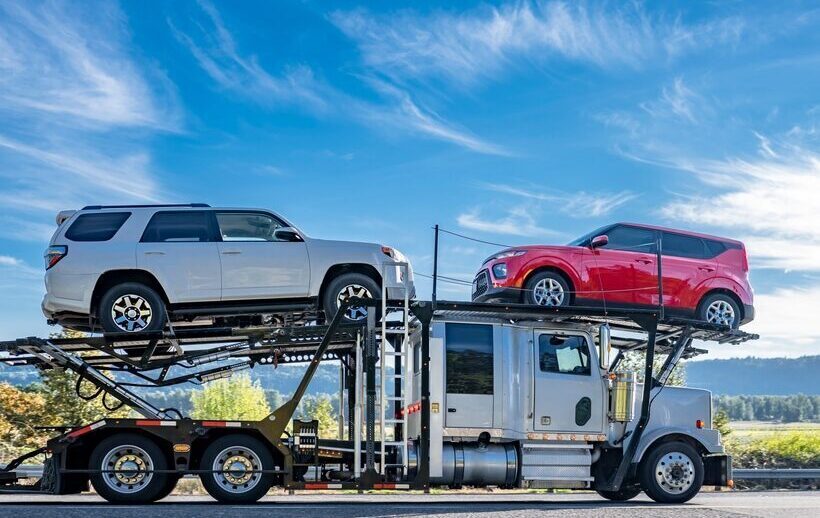
Open transport — where your vehicle is loaded onto an open-air multi-car carrier alongside other vehicles — is the industry standard for a reason. It’s significantly cheaper than enclosed transport, often by $300–$500 or more depending on the route. The vast majority of everyday vehicles ship this way without any issues.
Enclosed transport is worth the premium for exotic cars, classic vehicles, or anything with extremely high value where the extra protection justifies the cost. For a standard sedan, SUV, or pickup truck? Open transport is almost always the right call.
3. Be Flexible With Your Pickup and Delivery Dates
Carriers operate on dynamic routes and tight schedules. If you can offer a flexible pickup window of 3–5 days rather than demanding a specific date, you become a much easier customer to serve — and carriers will price accordingly. Fixed-date guarantees require special routing accommodations, which typically add to your cost.
Even a 48-hour window of flexibility can result in noticeably better pricing. Think of it like booking a flight: the more flexible you are, the better the deal you’re likely to find.
Pro Tip: If you can offer a flexible window of 5+ days, mention it explicitly when requesting quotes. Some companies will factor it in without being asked — but many won’t.
4. Use Terminal-to-Terminal Shipping When Possible
Door-to-door service is incredibly convenient, but it comes at a price. Terminal-to-terminal shipping — where you drop off and pick up your vehicle at designated hub locations — is typically less expensive because it eliminates the logistical complexity of navigating residential streets and narrow neighborhoods.
If there’s a terminal reasonably close to your home or destination, this option is worth exploring. The savings can range from $50 to $150 depending on the carrier and route, and for many people, the minor inconvenience of a terminal drop-off is well worth it.
5. Avoid Peak Seasons When You Can
Auto transport pricing, like most logistics services, fluctuates with demand. The busiest — and most expensive — periods tend to be summer (May through August), when families are relocating, and the snowbird season (October through January), when retirees migrate between northern and southern states.
If your move or shipment is flexible and you can schedule outside these windows, you’ll find more carrier availability and better rates. Spring (February through April) and early fall tend to offer the most competitive pricing of the year.
6. Get Multiple Quotes — Then Ask Questions
Never accept the first quote you receive. The auto transport market is competitive, and rates can vary significantly from one company to another for the same route. Getting three to five quotes gives you a baseline and negotiating leverage.
But here’s the part most people skip: once you have your quotes, ask each company what’s included. Some low quotes exclude insurance, fuel surcharges, or door-to-door delivery. Make sure you’re comparing apples to apples before making a decision. The cheapest quote on the surface isn’t always the cheapest once you read the fine print.
Pro Tip: Be cautious of quotes that seem unusually low. Brokers who lowball upfront sometimes struggle to find carriers willing to take the job, leading to delays and last-minute price increases.
7. Keep Your Gas Tank Low
This one often surprises people. Carriers charge by weight, and a full tank of gas adds unnecessary pounds to your vehicle. Before drop-off, bring your tank down to about a quarter full — enough to move the car on and off the transport carrier, but not so much that you’re paying to ship extra fuel weight.
While the savings here are modest, it’s one of the easiest adjustments you can make, and every dollar counts when you’re managing a move or purchase.
8. Remove Personal Items and Modifications
Carriers are transporting your vehicle, not your belongings. Many companies prohibit or charge extra for personal items left inside the car. More importantly, added weight from packed belongings can increase your quote and may also create liability issues if anything is damaged or lost in transit.
Similarly, aftermarket modifications like roof racks, spoilers, and oversized tires can affect how your vehicle is loaded and secured — and may trigger surcharges. If possible, remove or minimize these before shipping.
9. Check Your Existing Insurance Coverage
Before purchasing additional insurance from a transport company, check whether your existing auto insurance policy covers vehicle transport. Many comprehensive policies do — and if yours does, you can decline the carrier’s supplemental coverage and save anywhere from $50 to $200.
Call your insurance provider and ask specifically about transit coverage for auto transport. It’s a two-minute conversation that could meaningfully lower your total cost.
10. Work With a Reputable Company From the Start
Counterintuitively, one of the best ways to save money on auto transport is to work with a trustworthy company rather than chasing the lowest possible price. Unreliable brokers can disappear mid-transaction, fail to secure a carrier, or hit you with unexpected fees at delivery. The headache — and sometimes real financial cost — of a botched shipment far outweighs any savings from cutting corners upfront.
Look for companies with verified reviews, transparent pricing, and responsive customer service. A slightly higher rate from a reputable carrier is almost always a better deal than a cheap quote from a company you can’t reach after you’ve paid.
Shipping a vehicle is a significant expense, but it doesn’t have to be an unpleasant one. With the right timing, a few strategic choices, and a company you can trust, you can ship your car confidently and cost-effectively.
Ready to Ship Your Vehicle?
Get a free, no-obligation quote from The Car Carriage today by calling 855-723-3200. Our team is ready to help you find the best route, the right transport type, and a price that works for your budget.