
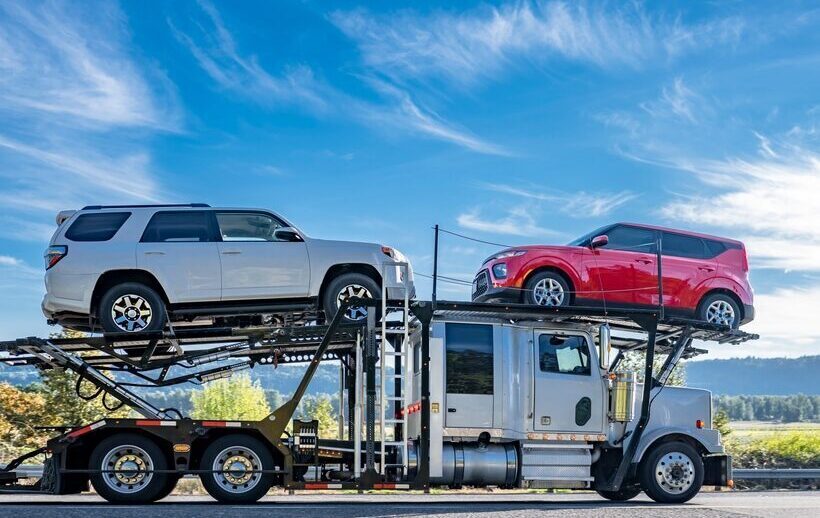

Dallas-Fort Worth has transformed into one of America’s most dynamic economic powerhouses, and this explosive growth is reshaping the auto transport landscape in ways that directly impact both consumers and businesses. As someone in the car shipping industry, we’ve witnessed firsthand how the Metroplex’s economic boom creates a complex ripple effect on vehicle transportation costs and carrier availability.
The Dallas Economic Engine
The numbers tell a compelling story. Over the past decade, Dallas has attracted major corporate relocations from companies like Toyota, Liberty Mutual, and Charles Schwab, bringing thousands of employees who need their vehicles transported. The region’s population has swelled by over a million residents since 2010, creating unprecedented demand for auto transport services. When this many people are moving to one metropolitan area, the logistics of getting their cars there becomes a significant challenge.
This influx hasn’t just increased demand—it’s fundamentally altered the supply-demand dynamics that determine shipping costs. During peak moving seasons, particularly summer months when corporate relocations cluster, we see carrier availability tighten significantly along routes into Dallas. What was once a straightforward transport route can become a premium corridor when everyone wants to ship at the same time.
The Imbalance Problem
One of the most significant factors affecting car shipping costs to and from Dallas is route imbalance. While thousands of vehicles need to be shipped into the Metroplex monthly, there aren’t always equivalent volumes heading out. This creates what industry insiders call “deadhead” scenarios, where carriers may need to return empty or partially loaded.
When carriers transport vehicles into Dallas but struggle to find return loads, they naturally build that inefficiency into their pricing. Shipping a car from Los Angeles to Dallas might cost less than the reverse journey, even though the distance is identical. The booming economy means more people are coming than going, which paradoxically makes it more expensive to ship vehicles out of the area.
Infrastructure Strain and Urban Congestion
Dallas’s rapid growth has put tremendous pressure on its infrastructure. The constant construction projects along I-35, I-45, and the LBJ Freeway don’t just frustrate daily commuters—they directly impact auto transport operations. Carriers factor in additional time and fuel costs when navigating through perpetual construction zones, and these costs get passed along to consumers.
The expansion of the Metroplex has also pushed residential and commercial development further into surrounding areas. What used to be quick pickups and deliveries in suburban Plano or Frisco now involve navigating increasingly congested surface streets. Time is money in the transport business, and when each pickup takes longer, those minutes add up across a carrier’s entire route.
The Advantage of Being a Hub
It’s not all challenging news, though. Dallas’s position as a central hub actually provides some advantages. The city’s location in the heart of the country makes it a natural waypoint for cross-country routes. A carrier moving vehicles from Florida to Arizona often routes through Texas anyway, creating opportunities for more competitive pricing on certain corridors.
The concentration of dealerships and auto auctions in the Dallas area has also attracted more carriers to regularly service the region. Major auction houses in the Metroplex move thousands of vehicles weekly, ensuring a steady stream of transport capacity. This regular carrier presence can help stabilize costs, particularly for customers with flexible timing.
Seasonal Fluctuations Amplified
Economic growth has amplified seasonal variations in car shipping costs. During corporate fiscal year transitions—typically December through January and June through July—we see dramatic spikes in demand as companies complete planned relocations. The robust Dallas economy means more companies are actively relocating employees, intensifying these seasonal peaks.
Winter weather in northern states also drives additional demand, as retirees and snowbirds head to Texas’s warmer climate. Dallas’s growing reputation as a retirement-friendly city with no state income tax has increased this snowbird traffic, creating tighter capacity during winter months on routes from states like Illinois, Michigan, and New York.
The Luxury and Electric Vehicle Factor
Dallas’s affluent economy has led to higher concentrations of luxury and electric vehicles, which require specialized transport. Enclosed transport carriers, necessary for high-value vehicles, are less common and more expensive. As Dallas’s wealth has grown, so has demand for these premium services, sometimes outstripping local carrier capacity.
The rise of electric vehicles presents unique challenges too. EVs require careful battery management during transport, and not all carriers are equipped with the knowledge or equipment to handle them properly. Dallas’s tech-savvy, environmentally conscious professional class has embraced EVs enthusiastically, creating niche demand that affects availability.
Looking Ahead: What It Means for Consumers
For anyone planning to ship a vehicle to or from Dallas, understanding these economic factors can help you make smarter decisions. Booking early—ideally three to four weeks in advance—becomes even more critical in a high-demand market like Dallas. Flexibility with your pickup and delivery dates can unlock significant savings, as carriers can route your vehicle more efficiently when they have scheduling flexibility.
It’s also worth considering the time of year. If possible, avoiding peak moving seasons and major corporate relocation periods can result in better availability and lower costs. Similarly, being flexible about terminal-to-terminal versus door-to-door delivery can sometimes reduce costs in congested urban areas.
The Bottom Line
Dallas’s economic success story is, in many ways, a victim of its own success when it comes to auto transport. The same factors that make the Metroplex an attractive place to live and do business—job growth, corporate relocations, population expansion—create challenges for vehicle logistics. Higher demand, infrastructure strain, and route imbalances all contribute to increased costs and reduced availability during peak periods.
However, understanding these dynamics empowers consumers to make informed decisions. By planning ahead, maintaining flexibility, and working with experienced auto transport companies that understand the Dallas market’s unique characteristics, you can navigate these challenges successfully. The key is recognizing that in a booming economy like Dallas’s, your vehicle isn’t just cargo—it’s part of a massive logistics equation shaped by one of America’s most dynamic metropolitan areas.
As Dallas continues its impressive growth trajectory, we expect these trends to persist and possibly intensify. The Metroplex’s economic vitality ensures that auto transport will remain a critical service with evolving challenges and opportunities. For those of us in the industry, staying ahead of these trends isn’t just good business—it’s essential to serving our customers effectively in one of the nation’s fastest-growing markets.